Skip to content
DiveTaliaDIVETALIA
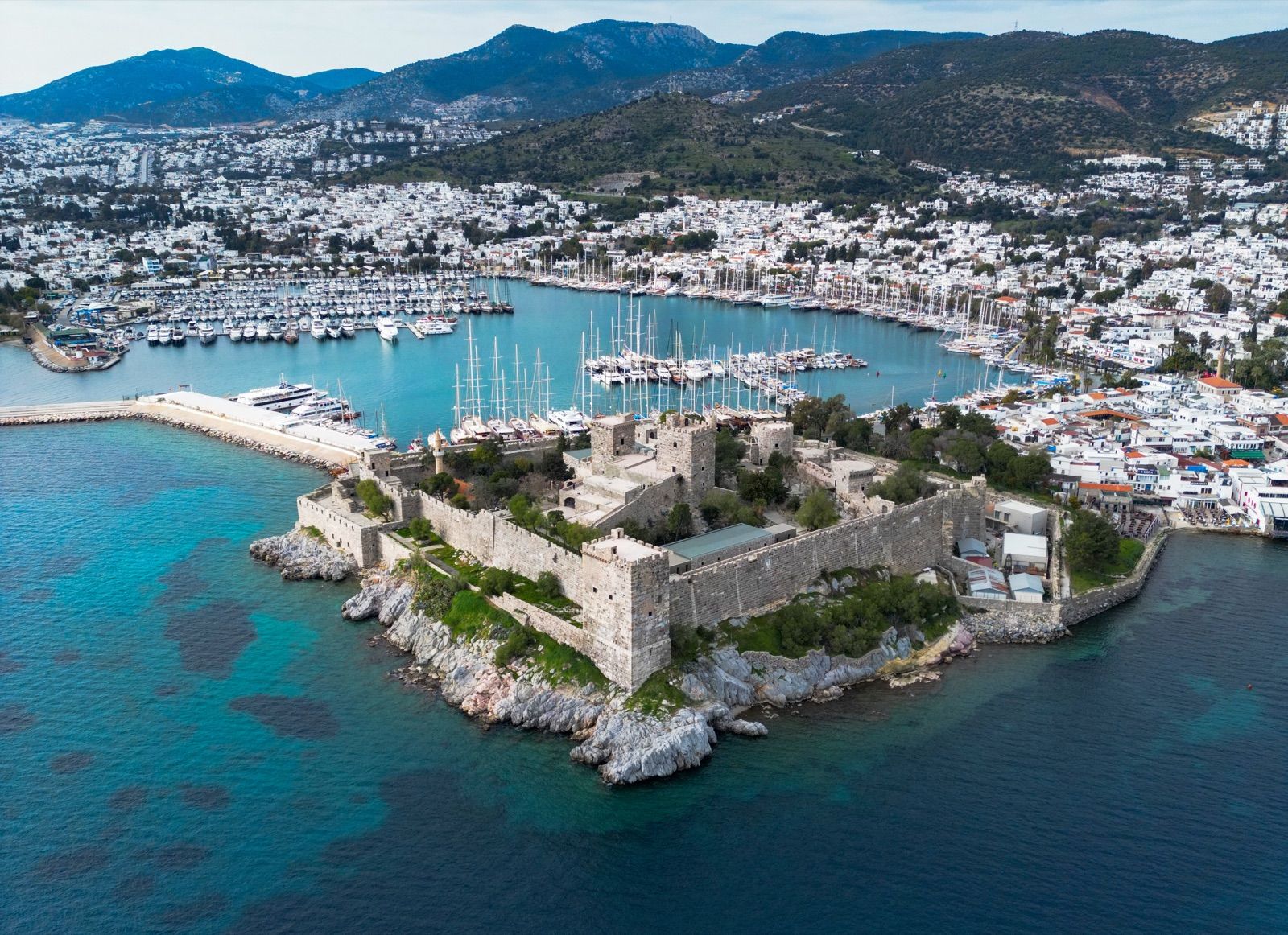
Bodrum Castle on its headland, harbour behind
Bodrum Museum of Underwater Archaeology · the world's richest underwater archaeology museum

Everything the sea kept, lives in a castle.

Twenty minutes across the water from Aspat, a crusader castle holds the world's great collection of ancient shipwrecks: raised from the same seas you dive with us.

The story

Where underwater archaeology grew up.

In the Castle of St. Peter, built by the Knights Hospitaller in the fifteenth century from the stones of the Mausoleum, one of the seven wonders of the world, on the headland of ancient Halicarnassus, sponge divers' chance finds became a science. From the 1960s onward, the pioneering excavations off this coast, at Yassıada, Cape Gelidonya and Uluburun, were brought here, hull timbers and all.

The result is the museum every underwater archaeologist knows: a Bronze Age ship that sailed three thousand three hundred years ago, glass from a medieval wreck raised piece by piece, amphorae by the hundred, and the tools of the divers who learned, right here, how to excavate under the sea.

It is not a room of dive souvenirs. It is the reason this coast matters to the history of seafaring. It sits within sight of our boats.

Official museum page ↗
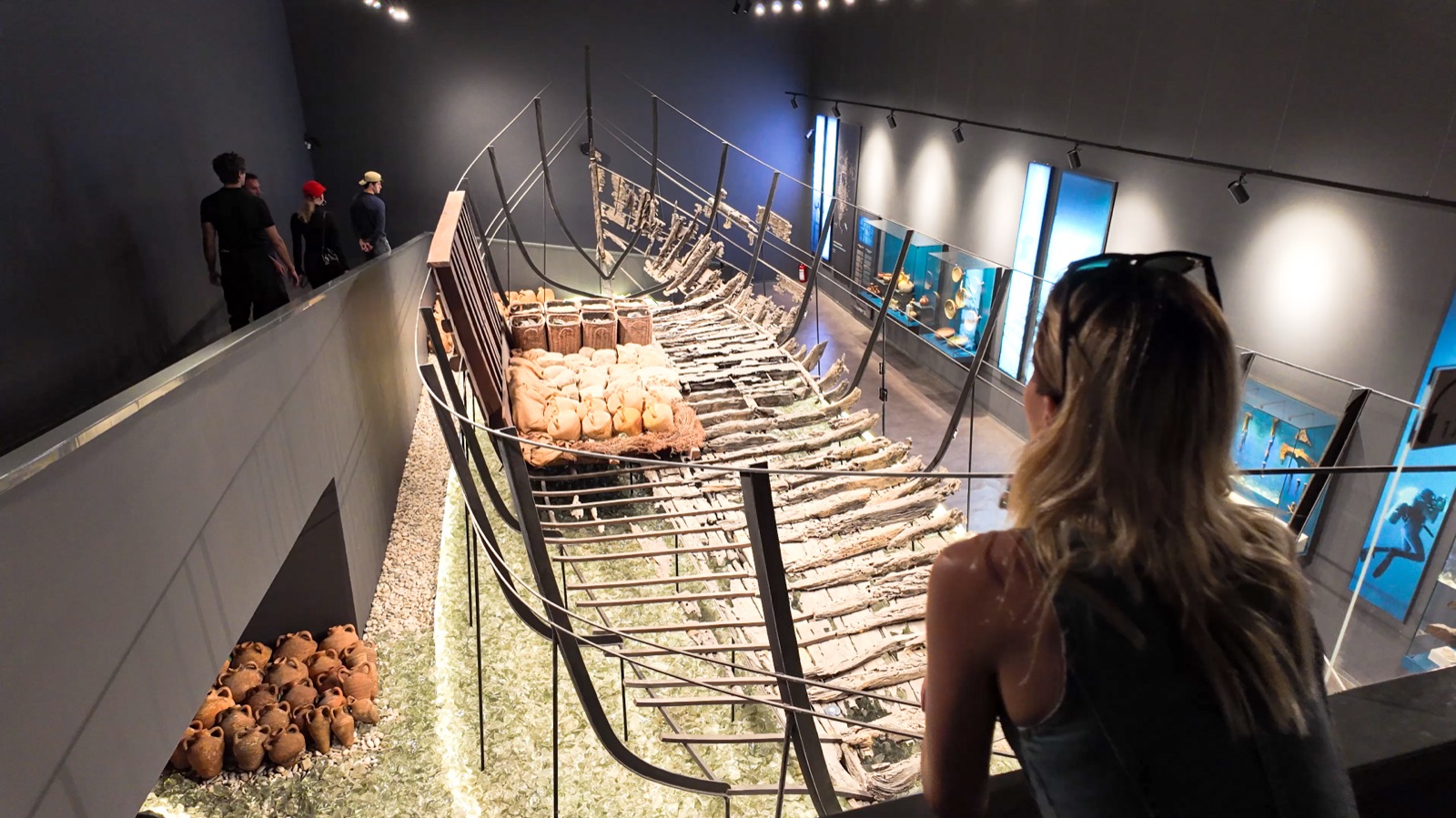
The reconstructed hull hall seen from the gallery
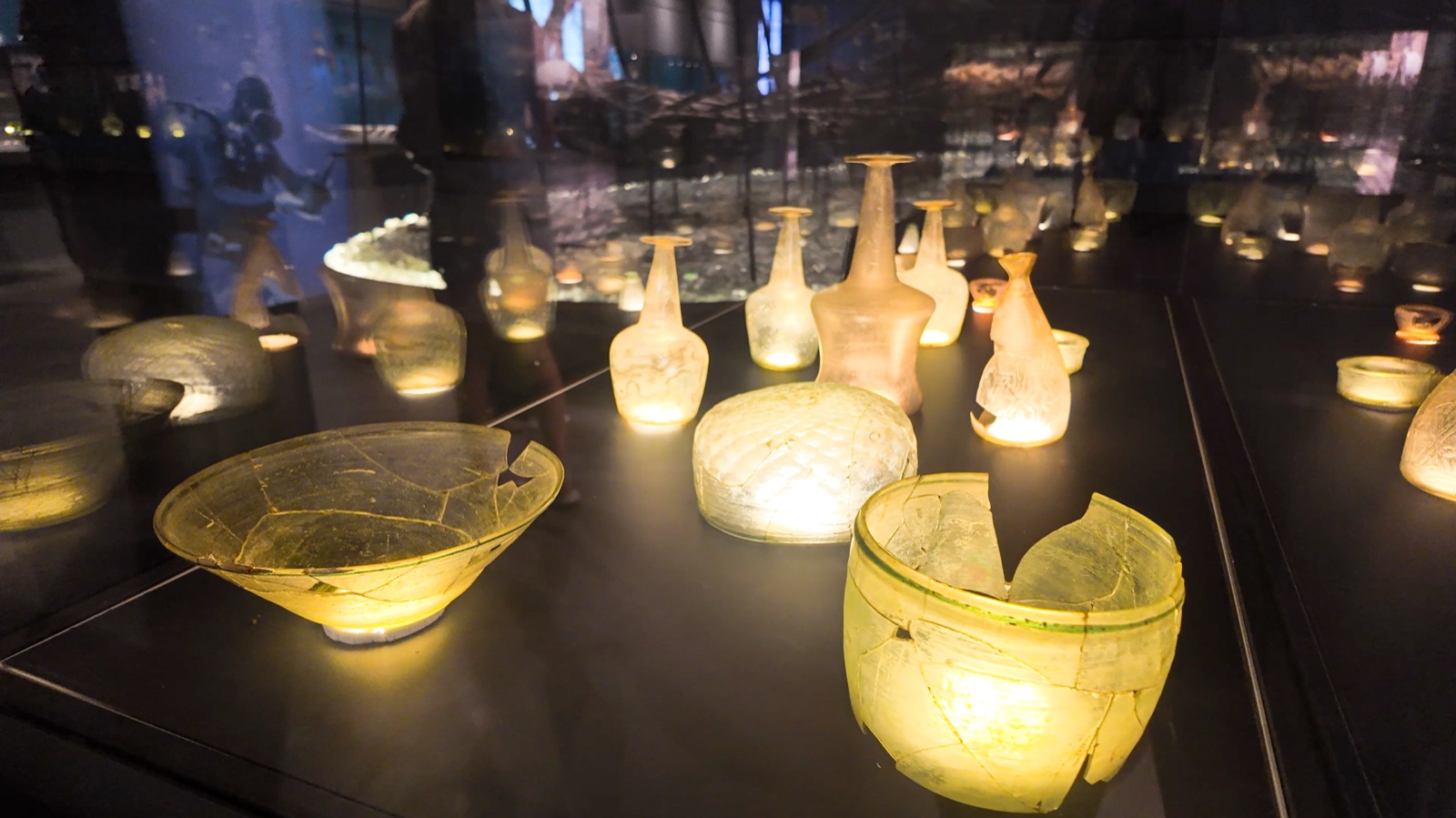
Ancient glass vessels glowing in the dark glass hall
The hull hall · the glass hall
Inside the walls

Four halls worth the crossing.

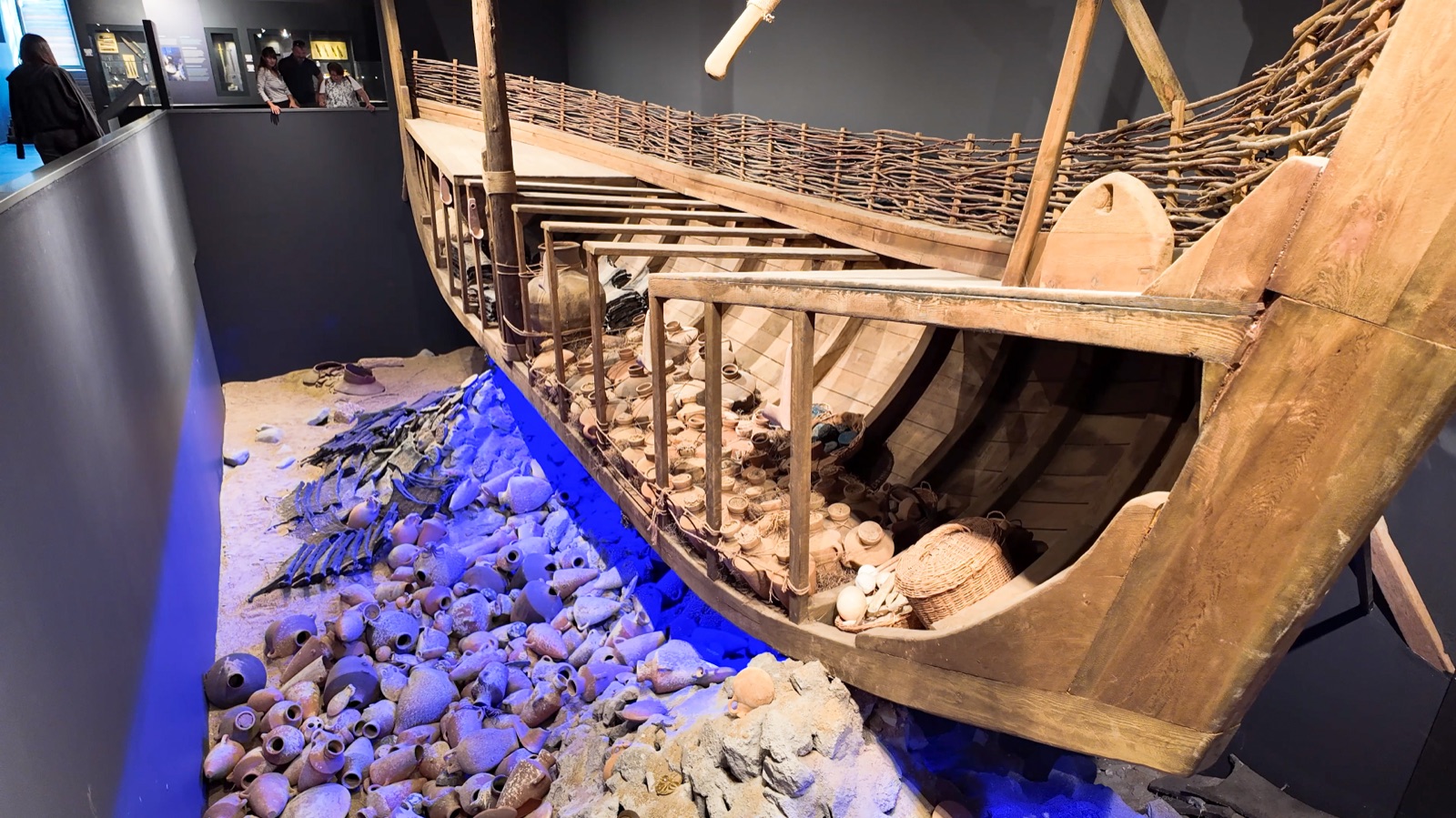
Reconstructed trading vessel with its cargo of amphorae
The ships

Hulls and full-scale reconstructions, cargo stowed as it sailed: you walk the wreck as the excavators found it.

Ancient glass lit from below
The glass

A darkened hall of eleventh-century glass raised from a single wreck: lit like the seabed it came from.

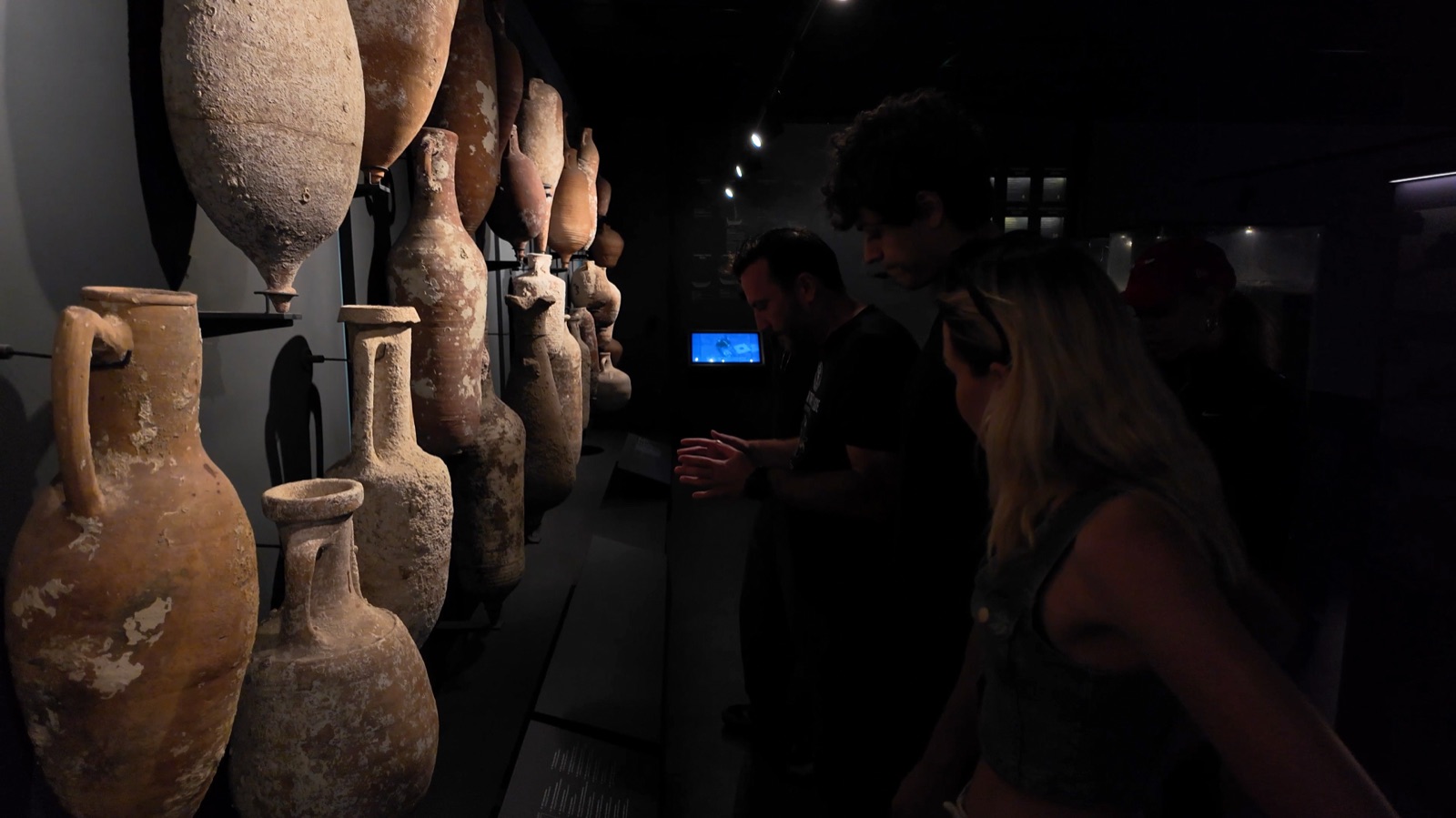
Amphorae racked in the dark
The amphorae

Centuries of Mediterranean trade in clay: the same shapes your torch finds in the scree at Bardakçı.

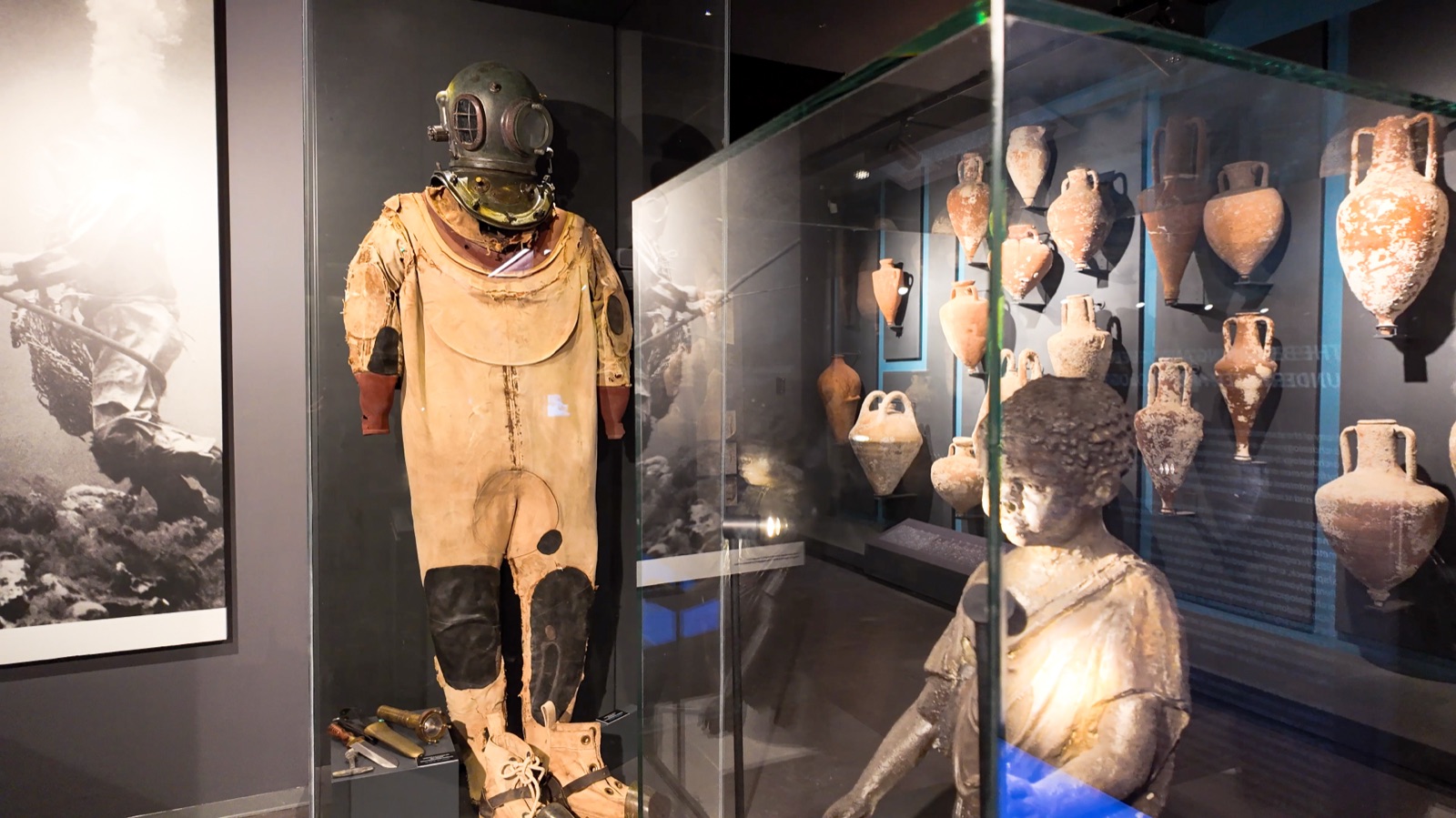
Early hard-hat diving suit beside amphora wall
The divers

Sponge divers’ copper helmets and canvas suits: the craft that found the wrecks before science arrived.

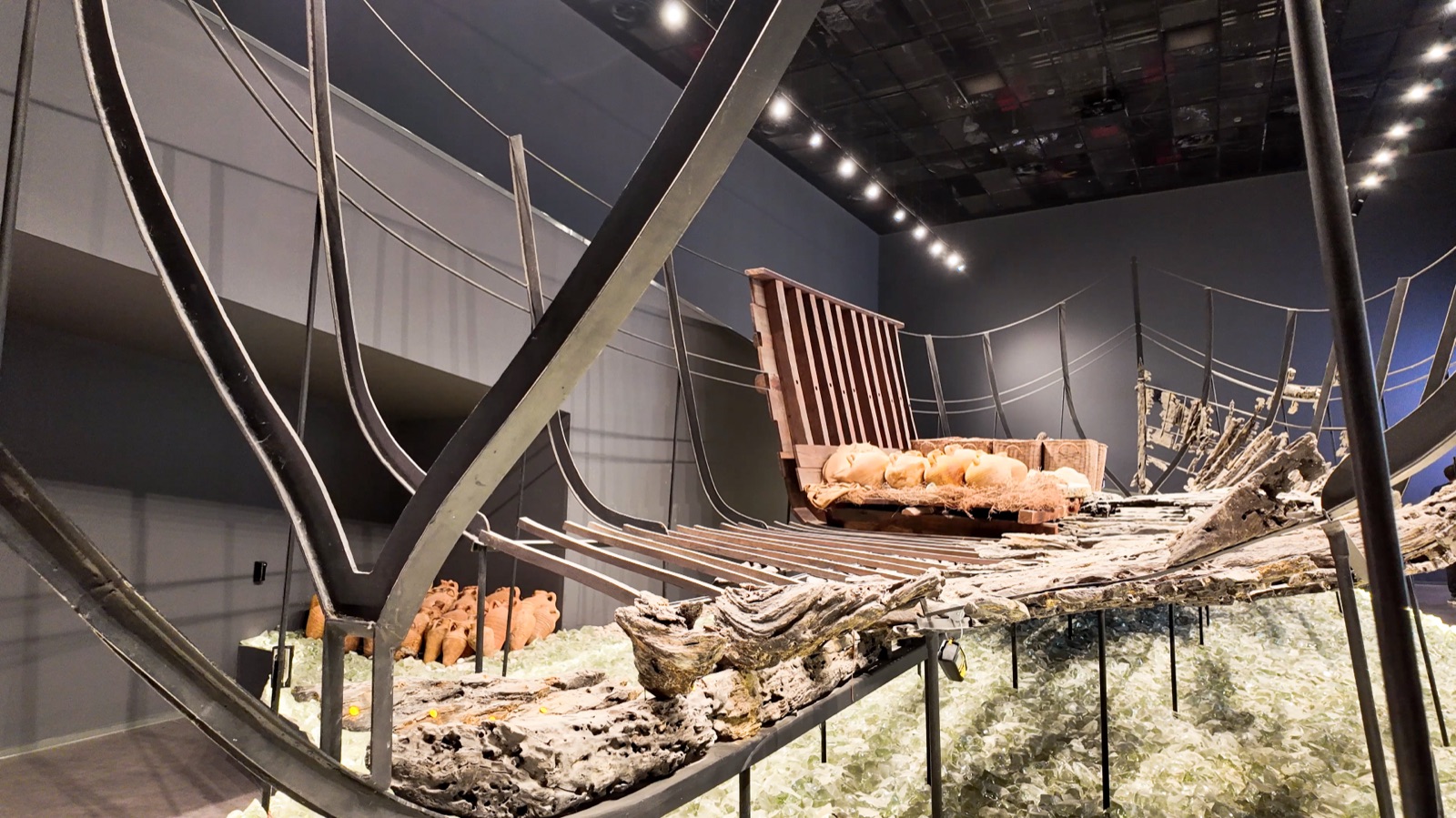
The great hull cradle in the main hall
The main hall · a hull held in its cradle, amphorae beneath
The DiveTalia connection

Dive where it was found. Surface where it's kept.

Our guides brief the museum the way they brief a dive site: what was found where, what you'll recognise on the walls the next morning. Amphora shards in the scree at Bardakçı, the outline of a hull at the site library's wrecks: the halls give the dives their history, and the dives make the halls real.

We pair a museum visit with rest days and surface intervals: a morning in the castle, an afternoon sail home past the headland. Liveaboard itineraries call at the harbour on request.

Guests studying the amphora wall by lamplight
DiveTalia guests in the amphora hall20 min · from Aspat
1964
Founded in the castle: among the world's first museums of its kind
~3,300 yrs
Age of the Uluburun ship: the oldest excavated wreck of its era
20 min
Across the water from our Aspat base: an easy rest-day visit
Closed Mon
Hours & tickets on the official page: check before the crossing